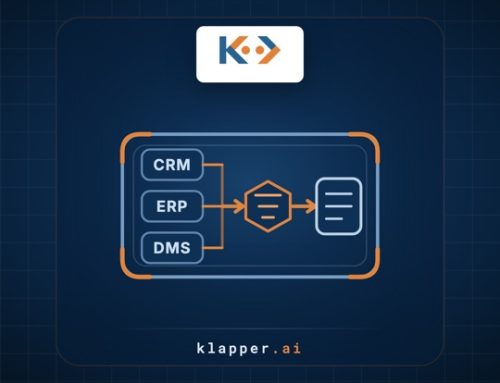
Taming Your Law Firm's AI Cloud Bill:
How Incremental RAG Synchronization Cuts Token Costs

A law firm has 3 million pages sitting in its document management system.
-
On Monday, lawyers add 500 new documents.
-
On Tuesday, another 200 are updated.
-
The other 2,999,300 pages have not changed.
Yet when the firm's AI assistant runs its scheduled refresh, it may process the entire repository again.
The lawyers did not suddenly use more AI. The firm did not add millions of new documents.
But the AI bill still went up.
This is the hidden cost of keeping enterprise AI up to date.
The Problem Hiding Behind the AI Bill
Most AI assistants connected to platforms DMS platforms such as iManage or NetDocuments, SharePoint or LOB applications use Retrieval-Augmented Generation, or RAG.
Simply put, RAG gives an AI assistant access to the firm's own documents. When a lawyer asks a question, the system finds relevant information from the firm's repository and uses it to generate an answer.
To keep that information current, the system needs to regularly process changes in the document repository.
The problem is how those updates are handled.
Going back to our 3-million-page firm, only 700 documents changed this week. If the system processes all 3 million pages again, it is spending resources on documents that contain nothing new.
One week in the 3-million-page repository
- 700 documents changed this week
- documents that contain nothing new
And those repeated processing cycles can translate into more token consumption and higher cloud costs.
This is one reason AI spending can be difficult to predict.
What the bills did
Industry cost analysts found that 73% of organizations reported AI costs exceeding their original projections.
What the prices did
Token prices have also fallen significantly, with some estimates putting the decline at roughly two-thirds year over year.
But lower prices do not necessarily mean lower bills. If the system keeps processing more content, total consumption can continue to rise.
For legal organizations, the problem becomes particularly important because their repositories are large, complex, and often contain years of information.
Why Legal Firms Feel the Impact
Consider what those 3 million pages might contain:
Much of this information may never change again.
That makes repeatedly processing the entire repository particularly inefficient.
At the same time, legal AI adoption is accelerating.
- The legal AI market is projected to grow from roughly $4.6 billion in 2025 to $5.6 billion in 2026, while separate industry data indicates that nearly 8 in 10 large firms have deployed AI tools firm-wide.
- The opportunity is clear. McKinsey estimates that targeted legal tasks can deliver 30 to 70% time savings, with potential cost reductions of 15 to 50%.
But those gains depend on the technology underneath the AI.
If a firm saves hours of lawyer time through AI but spends unnecessarily on repeatedly processing millions of unchanged pages, some of that value is lost.
The Better Approach: Process Only What Changed
Now go back to the 3-million-page repository.
This week, only 700 documents changed.
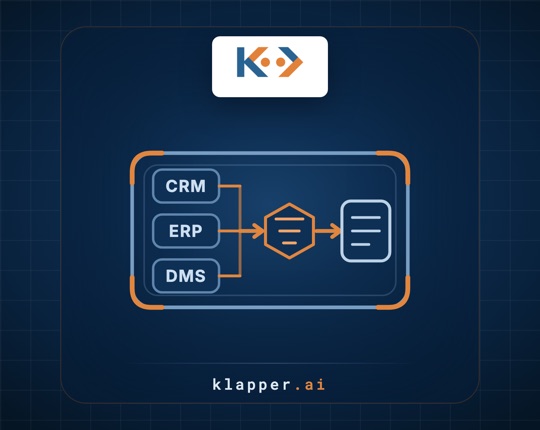
Instead of processing all 3 million pages, an incremental synchronization approach identifies those 700 documents and updates only them.
The system can use file timestamps, version information, hashes, or change logs from the document management system to determine what is new, what has changed, and what has stayed the same.
Process only what changed
The document management system
What is new, what has changed, and what has stayed the same
Those 700 documents
A firm's AI knowledge base
The system focuses on the change.
It is similar to how version control works in software development.
A developer who changes one file does not rebuild the entire codebase from scratch every time. The system focuses on the change.
The same principle can apply to a firm's AI knowledge base. This can deliver several practical benefits:
More predictable costs.
AI consumption is tied more closely to actual document activity rather than the total size of the repository.
Faster updates.
Processing 700 changed documents is significantly lighter than processing 3 million pages, helping the AI stay current without large refresh jobs.
Less unnecessary processing.
Reprocessing documents that have not changed does not automatically make the AI more accurate. It simply means more work for the system.
Better scalability.
As the firm's repository grows, AI maintenance does not have to grow at the same rate.
For CIOs and Knowledge Management teams, that makes AI infrastructure easier to forecast and manage.
Questions to Ask Before the Next AI Renewal
Before renewing or expanding an AI assistant connected to NetDocuments, SharePoint, or another document repository, legal technology leaders should ask a few straightforward questions:
-
Does the system know which documents are new, modified, or unchanged?
-
Does every refresh process the entire repository, or only the changes?
-
Can AI consumption be forecast based on document activity and growth?
-
Can refresh schedules be adjusted based on how frequently different matters or practice groups change?
-
How does the system detect changes in the firm's existing document management environment?
These questions can reveal an important cost issue before it shows up on the next invoice.
They may simply be the ones that stopped paying the AI to read yesterday's documents all over again.
Explore KLapperFAQ